Yuan Yuan (苑 苑)I am currently a postdoctoral researcher at Courant Institute of Mathematical Sciences, New York University, working with Prof. Laure Zanna and Prof. Carlos Fernandez-Granda, and as a member of Multiscale Machine Learning In Coupled Earth System Modeling (M²LInES). Previously, I completed my PhD at FIBLAB, Department of Electronic Engineering, Tsinghua University, advised by Prof. Depeng Jin and Prof. Yong Li. I received my bachelor degree from the Department of Electronic Engineering, Tsinghua University in 2020. My research centers on developing scalable artificial intelligence methodologies for real-world spatiotemporal systems, with applications in climate dynamics, urban systems, and energy infrastructures. I aim to build robust foundation models that capture complex interdependencies across spatial and temporal scales, enabling intelligent reasoning and decision-making in dynamic and uncertain environments. |
1126 Warren Weaver Hall,
New York, NY 10012
|
Research Interests
|
News
|
Selected ResearchGoogle scholar for full list. |
|
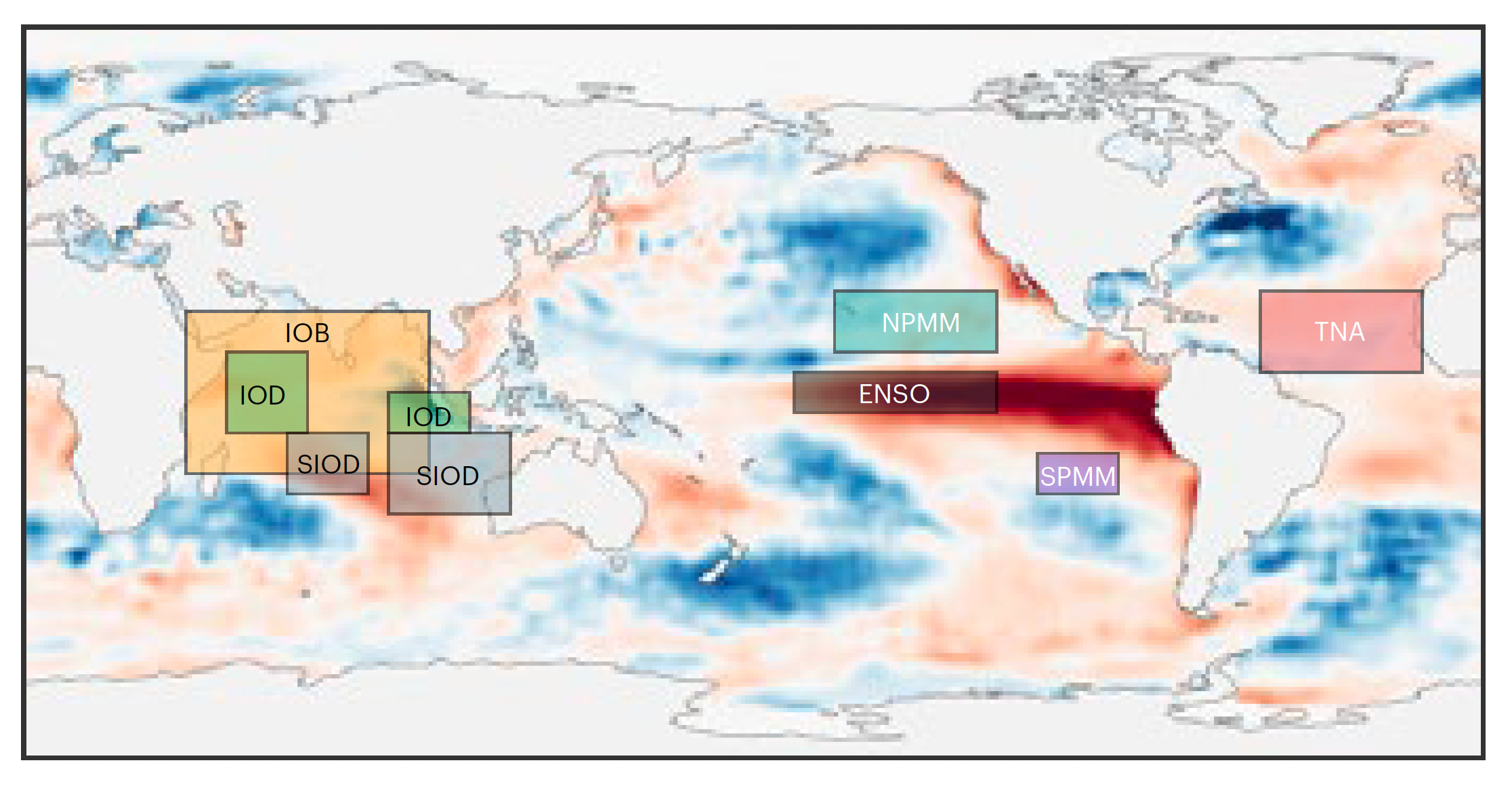
Learning the coupled dynamics of global climate modesYuan Yuan, Jingtao Ding, Zhongpu Qiu, Jingfang Fan, Yong Li Nature Machine Intelligence, 2026 paper / pdf / code / By modelling the world’s climate modes as one interconnected system rather than in isolation, UniCM unlocks the emergent predictability hidden in their teleconnections—extending skilful forecasts across major modes and exposing the inter-mode interactions that precede extreme climate events. |
|
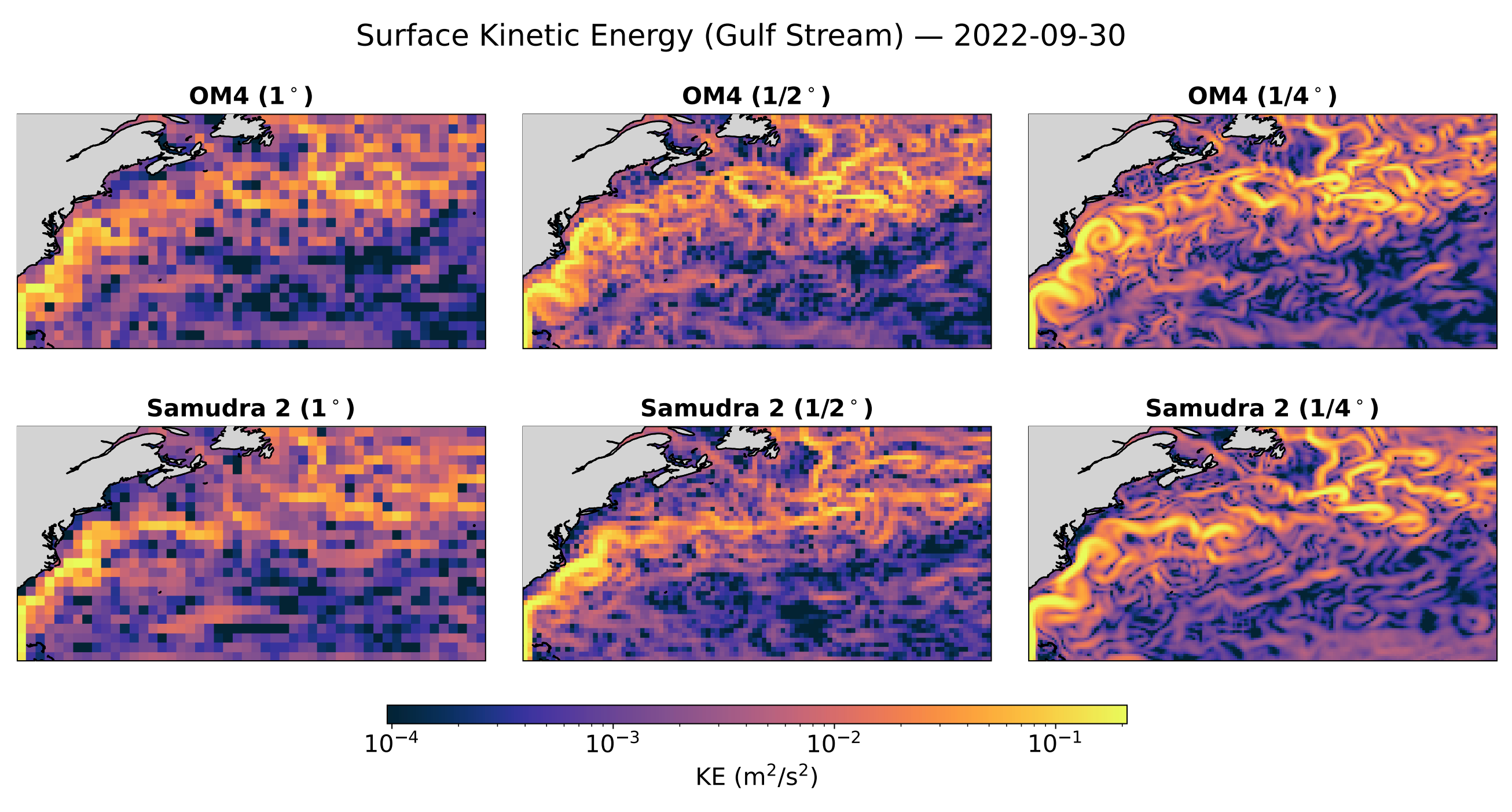
Samudra 2: Scaling Ocean Emulators across ResolutionsYuan Yuan, Jesse Rusak, Alexander Merose, Adam Subel, Pavel Perezhogin, Alistair Adcroft, Carlos Fernandez-Granda, Laure Zanna Preprint, 2026 pdf / website / Samudra 2 is a multi-resolution neural ocean emulator that runs multi-year global rollouts from 1° down to 1/4°. |
|
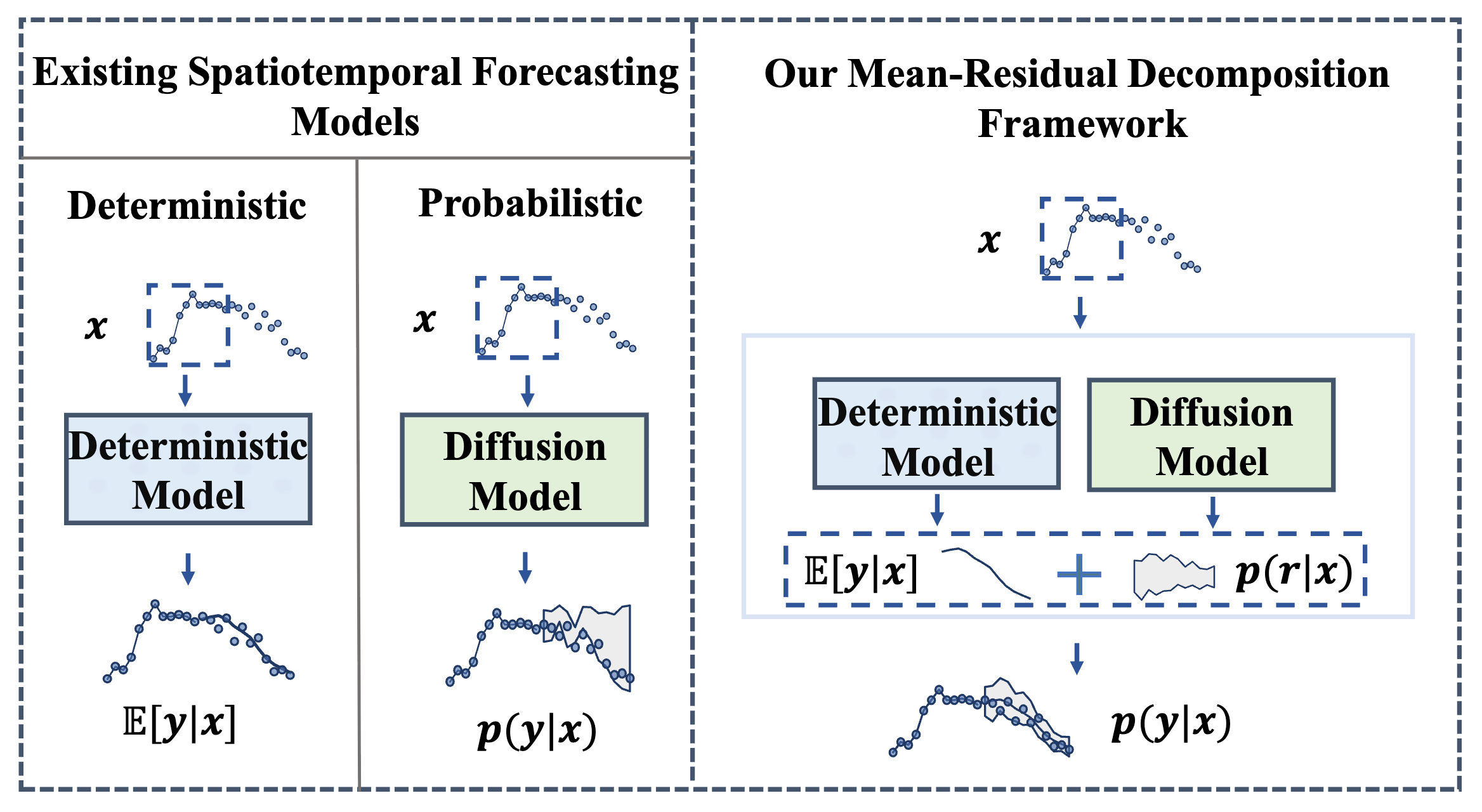
Collaborative Deterministic-Probabilistic Learning for Real-World Spatiotemporal DynamicsZhi Sheng, Yuan Yuan†, Yudi Zhang, Jingtao Ding, Yong Li, †Corresponding author KDD, 2026 pdf / code / CoST pairs a deterministic mean-flow predictor with a diffusion residual for scalable probabilistic spatiotemporal forecasting. |
|
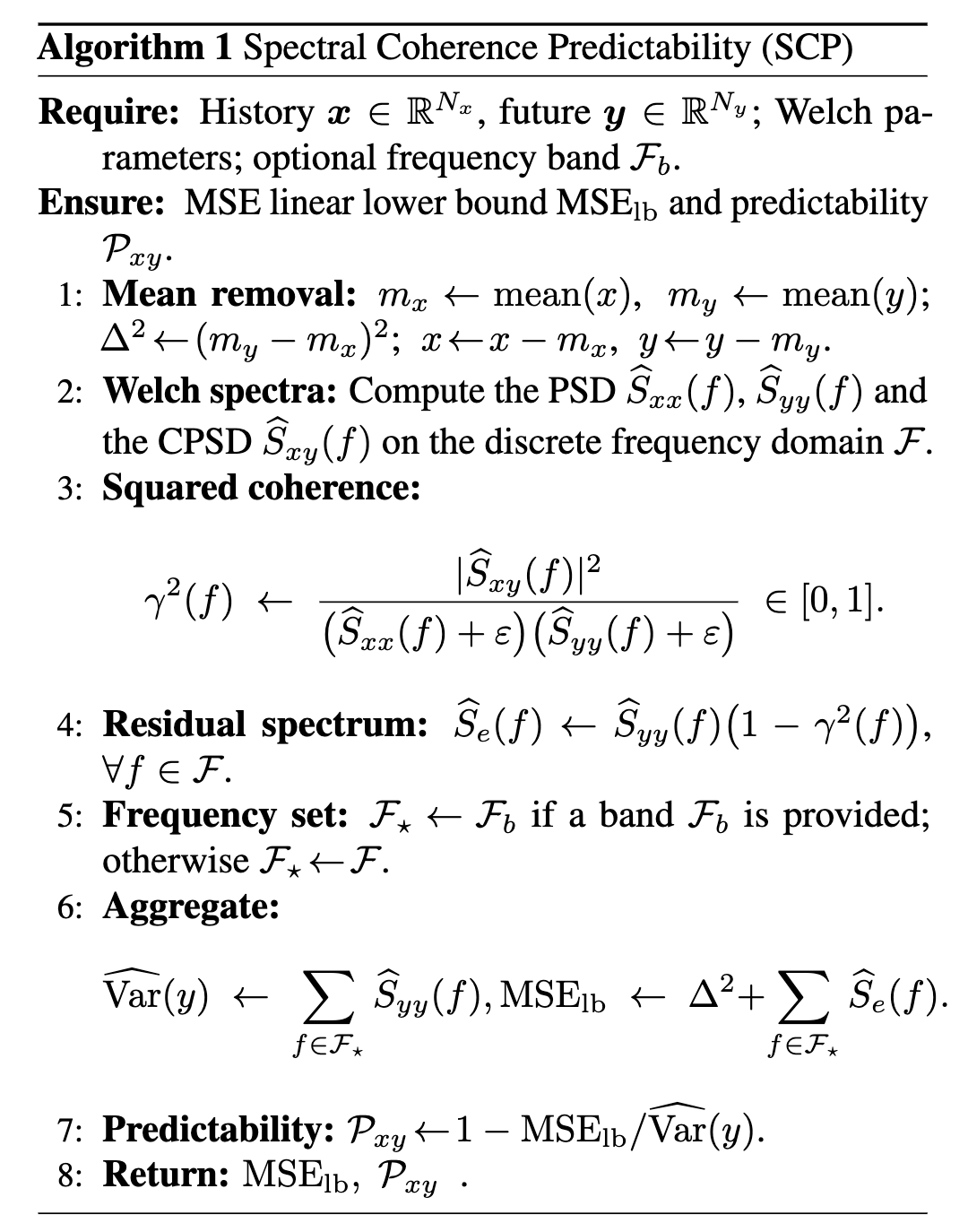
Beyond Model Ranking: Predictability-Aligned Evaluation for Time Series ForecastingWanjin Feng, Yuan Yuan†, Jingtao Ding, Yong Li, †Corresponding author ICML, 2026 pdf / code / A predictability-aligned diagnostic framework that moves time-series forecasting evaluation beyond leaderboard ranking. |
|
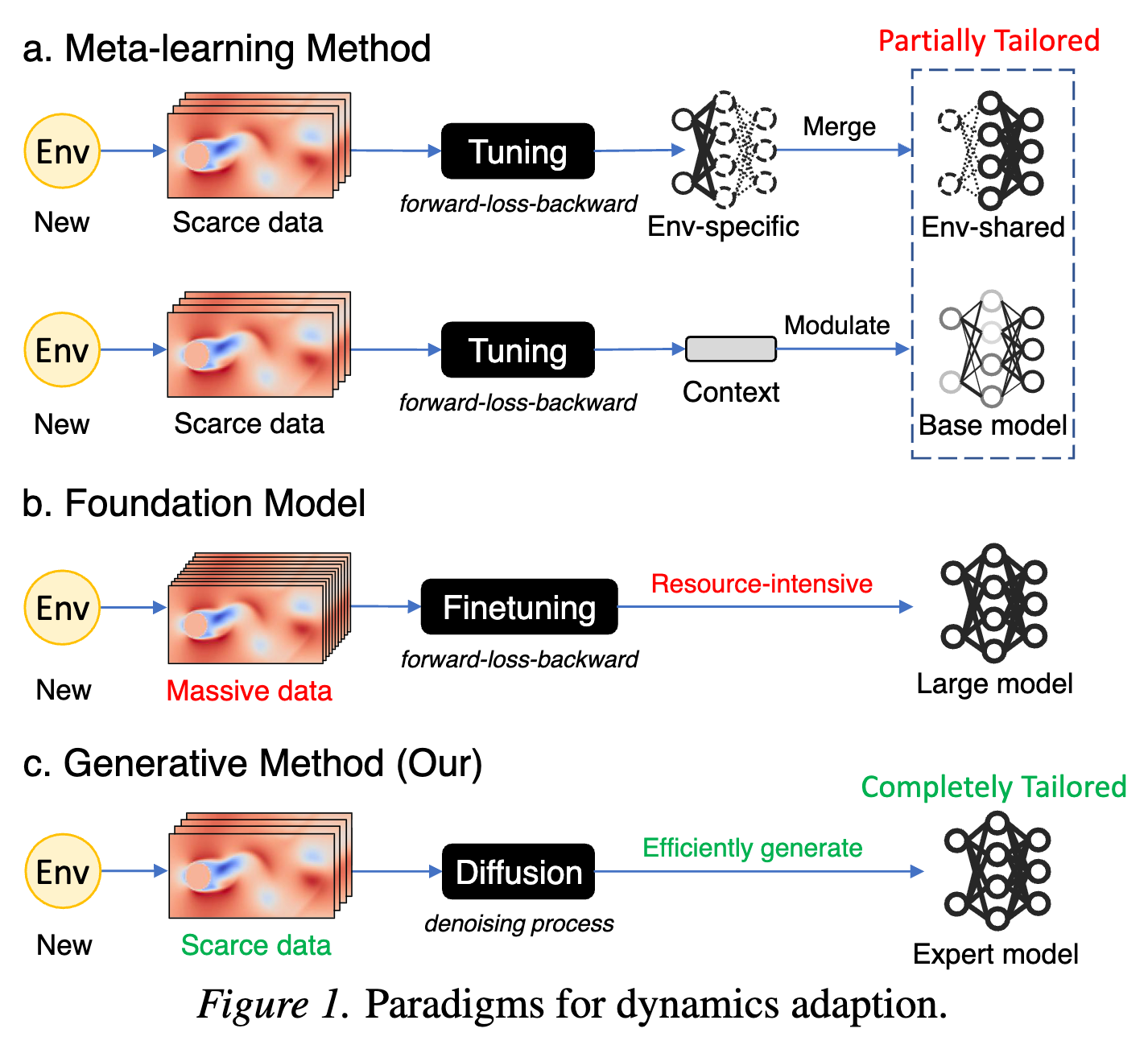
Generative Adaptation of Dynamics to Environmental Shifts via Weight-space DiffusionRuikun Li, Huandong Wang, Jingtao Ding, Yuan Yuan, Qingmin Liao, Yong Li ICML, 2026 pdf / code / DynaDiff adapts dynamical-system predictors to new environments by directly generating expert weights via weight-space diffusion — no fine-tuning needed. |
|
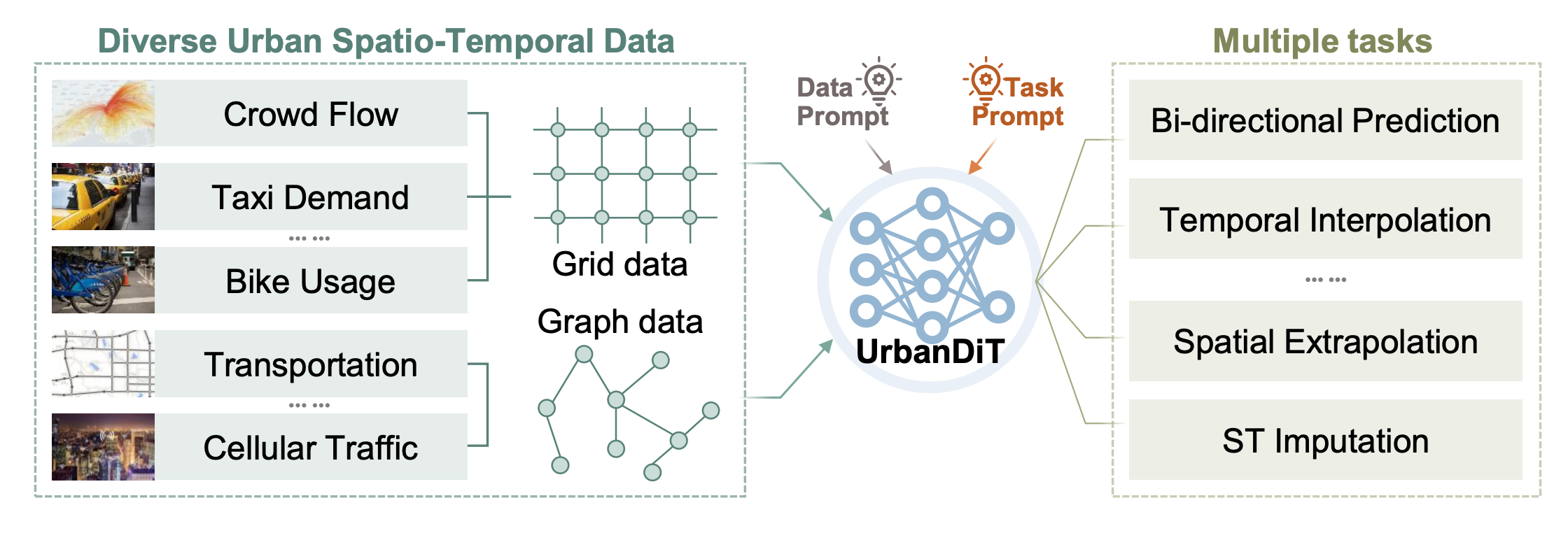
Diffusion Transformers as Open-World Spatiotemporal Foundation ModelsYuan Yuan, Chonghua Han, Jingtao Ding, Guozhen Zhang, Depeng Jin, Yong Li NeurIPS, 2025 paper / pdf / code / We build a foundation model for open-world spatiotemporal learning that successfully scales up diffusion transformers. |
|
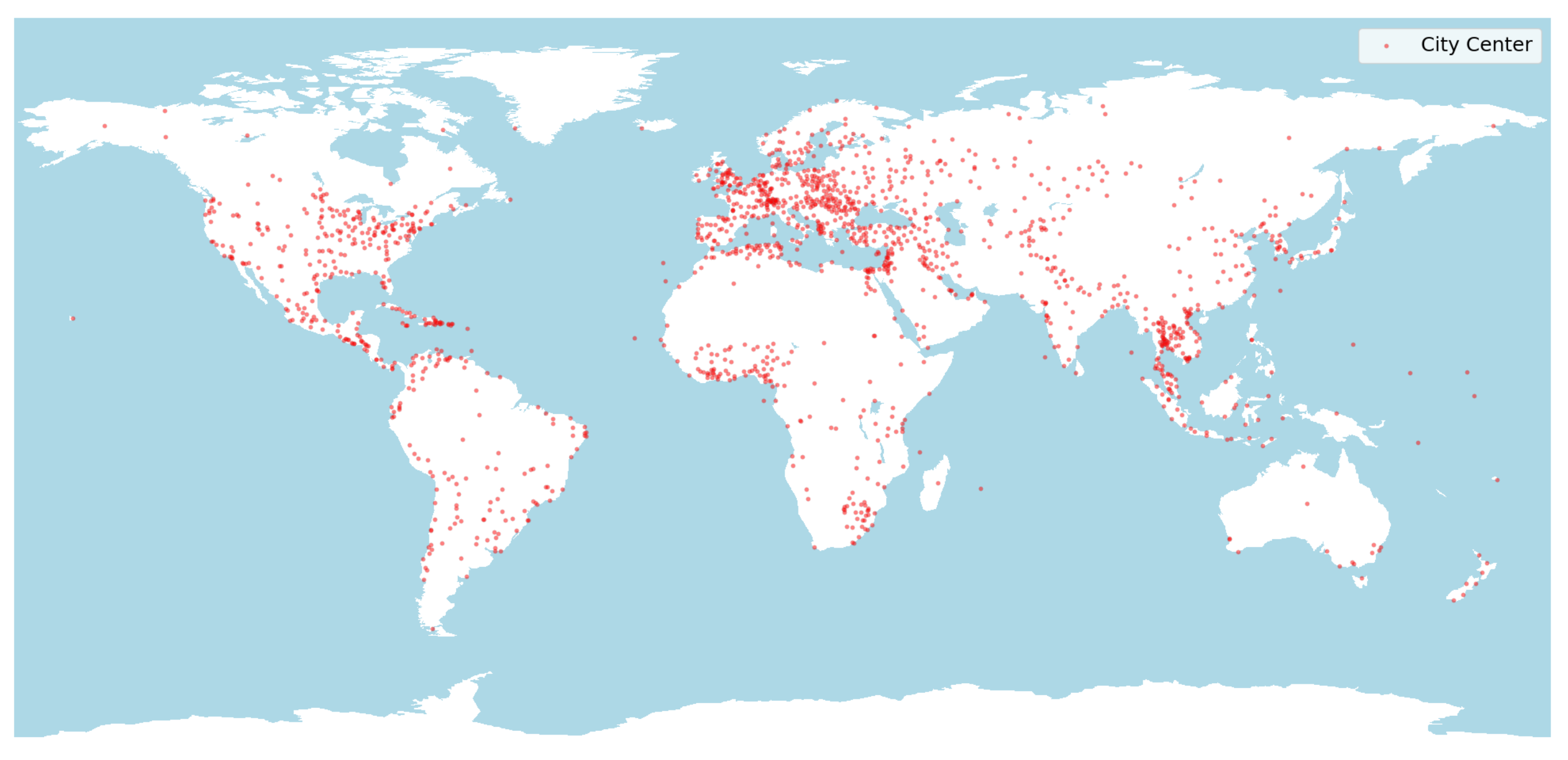
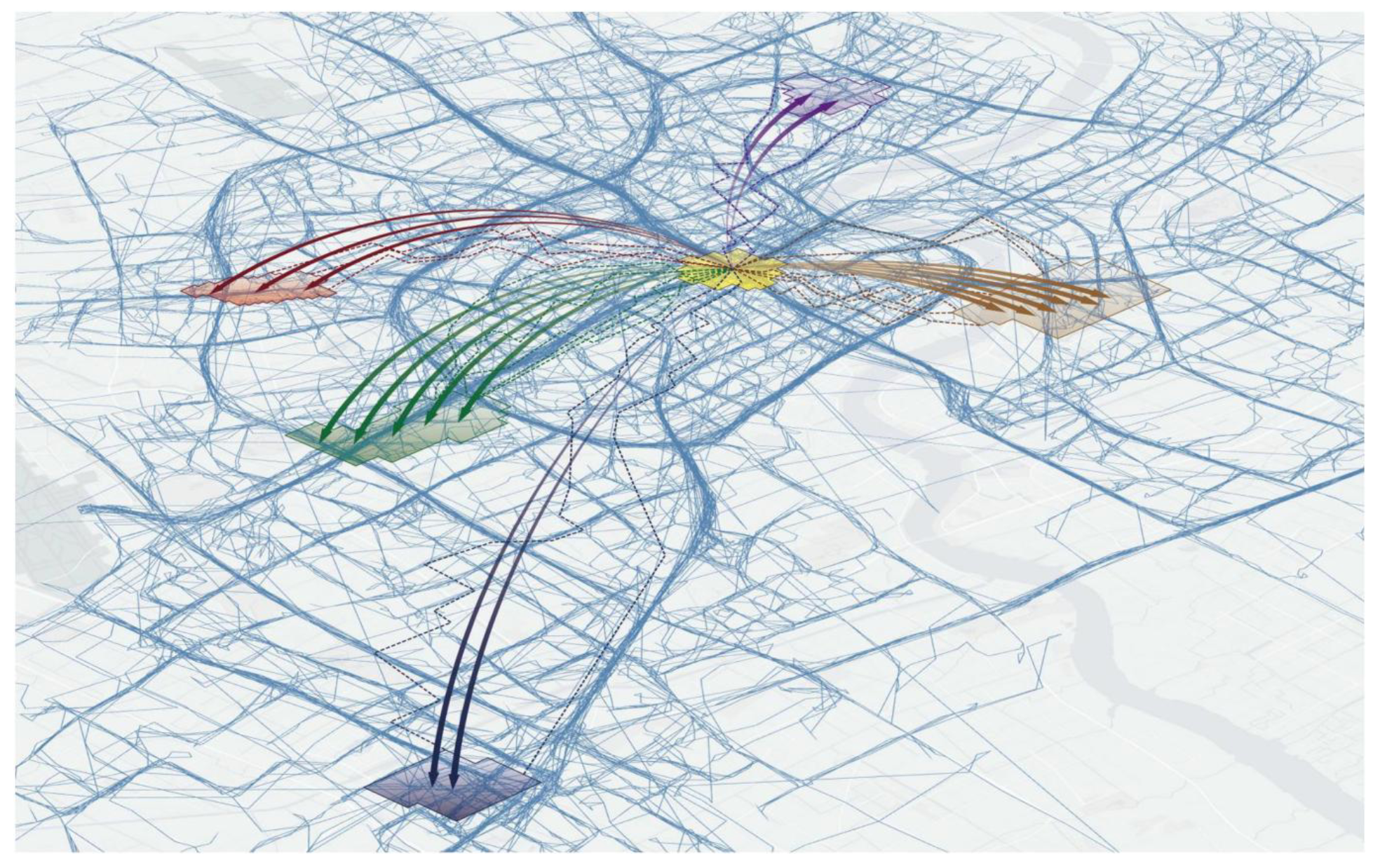
WorldMove, a global open data for human mobilityYuan Yuan*, Yuheng Zhang*, Jingtao Ding, Yong Li, *Equal contribution Scientific Data, 2025 paper / pdf / code / website / WorldMove is an open access worldwide human mobility dataset. It accurately reflects real-world mobility patterns and ensures authenticity and reliability for urban mobility research. |
|
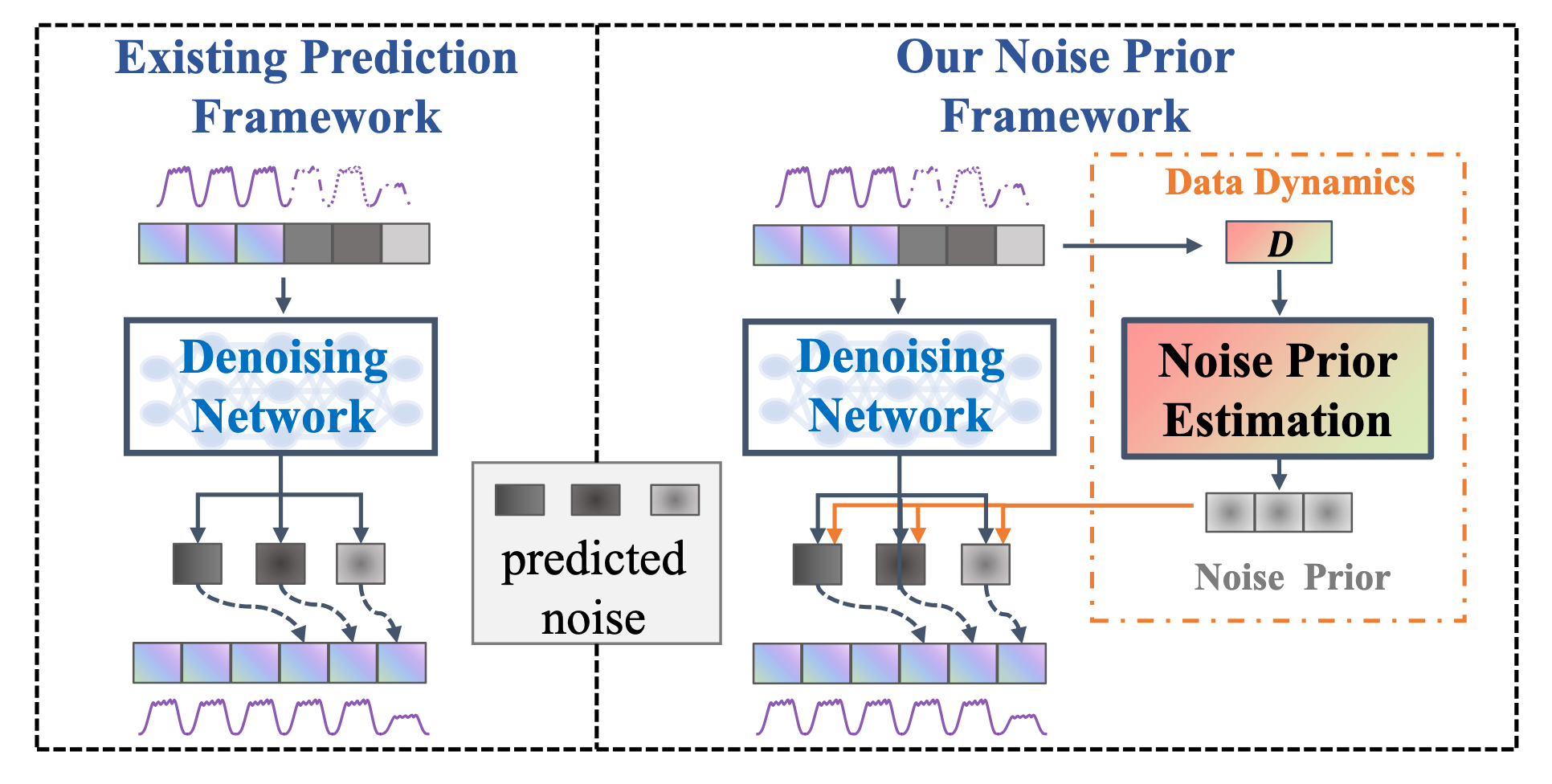
Unveiling the Power of Noise Priors: Enhancing Diffusion Models for Mobile Traffic PredictionZhi Sheng*, Yuan Yuan*, Jingtao Ding, Qi Yan, Xi Zheng, Yue Sun, Yong Li, *Equal contribution IJCAI, 2025 paper / pdf / code / NPDiff introduces novel noise priors for advancing mobile traffci prediction. |
|
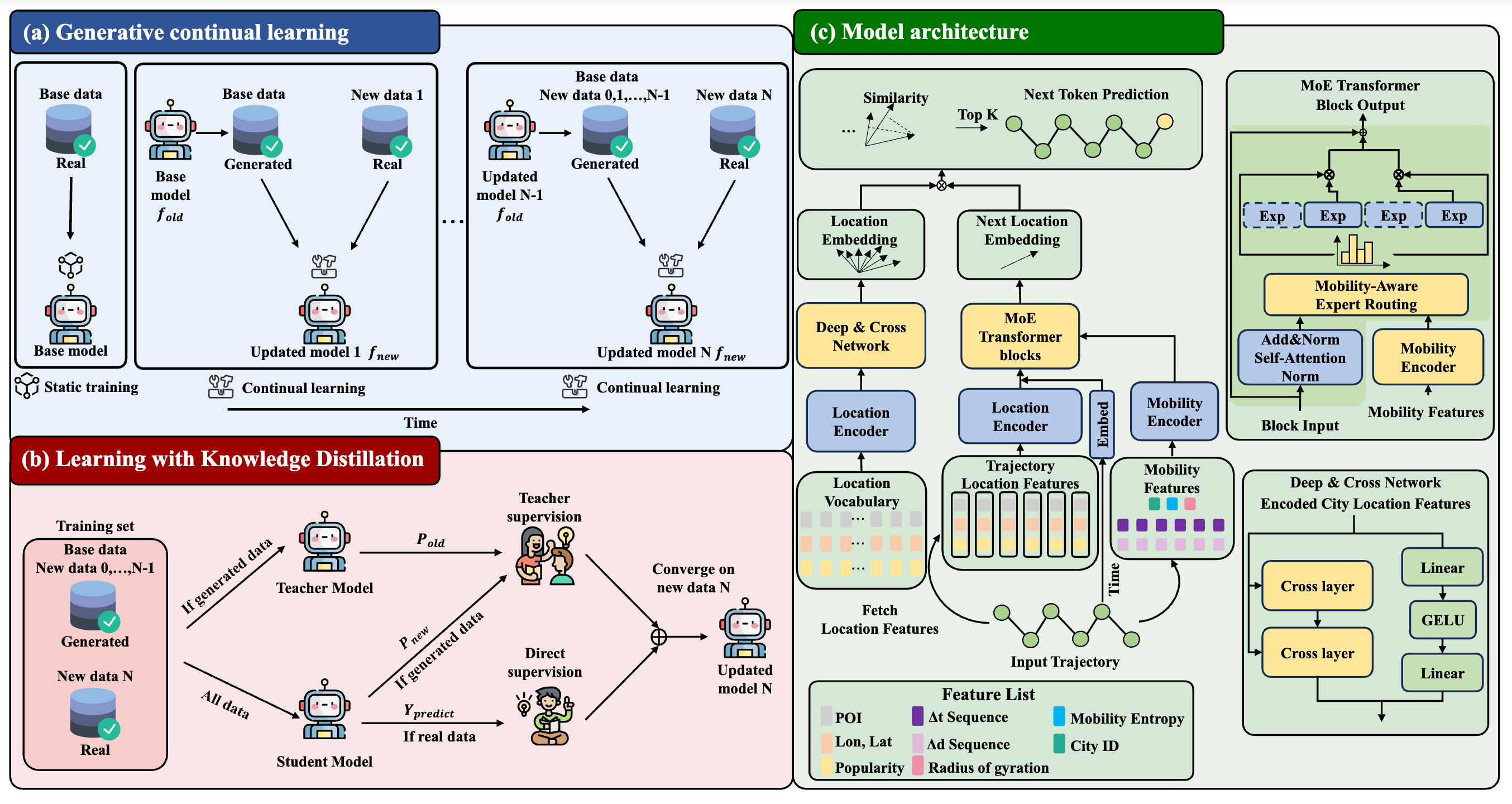
Breaking Data Silos: Towards Open and Scalable Mobility Foundation Models via Generative Continual LearningYuan Yuan*, Yukun Liu*, Chonghua Han, Jingtao Ding, Jie Feng, Yong Li, *Equal contribution SIGSPATIAL, 2025 paper / pdf / code / MoveGCL is a scalable, privacy-preserving framework that enables training mobility foundation models without sharing raw data, which enables decentralized and progressive model evolution. |
|
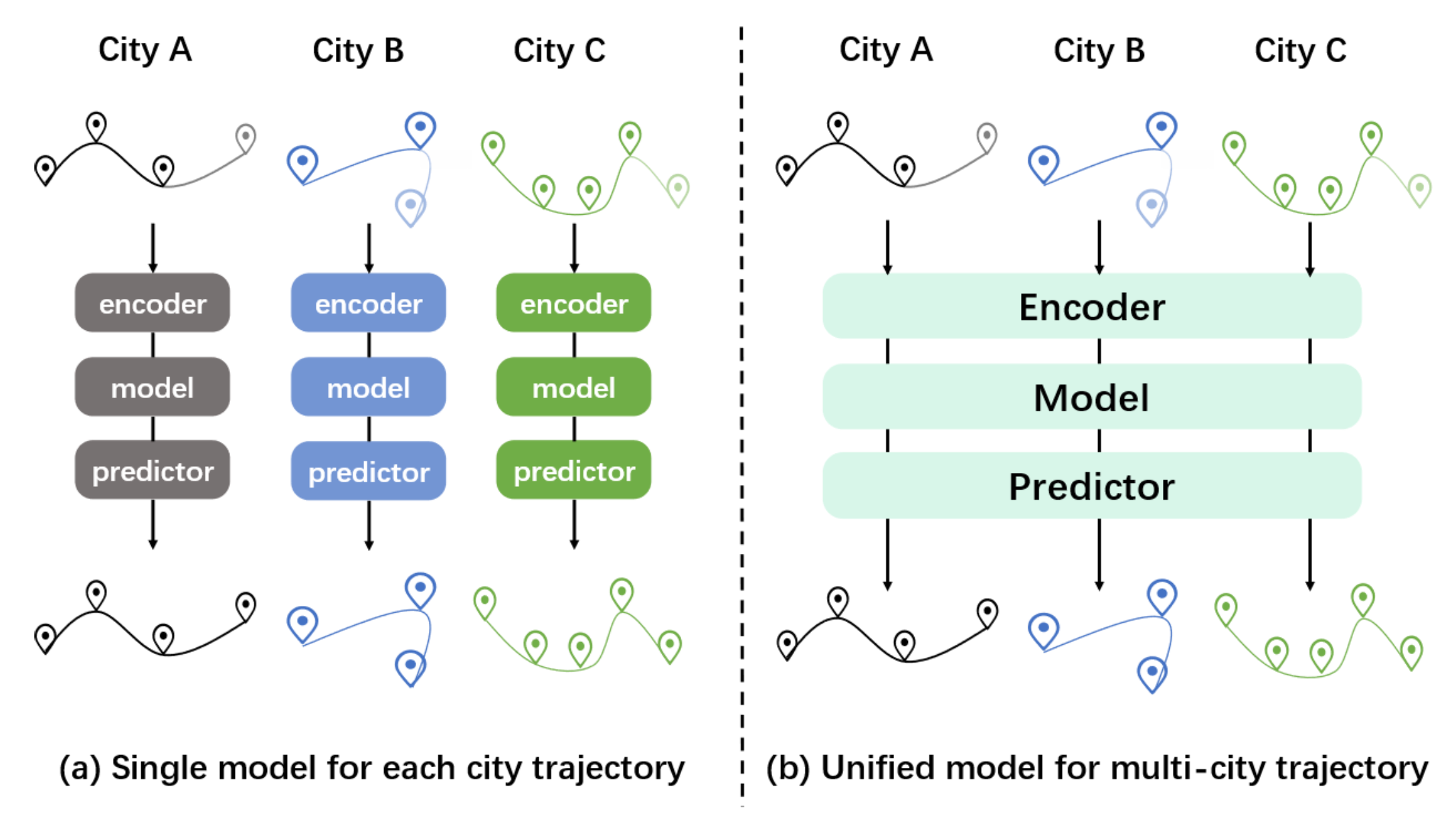
UniMove: A Unified Model for Multi-city Human Mobility PredictionChonghua Han*, Yuan Yuan*, Yukun Liu, Jingtao Ding, Jie Feng, Yong Li, *Equal contribution SIGSPATIAL, 2025 paper / pdf / code / UniMove is a foundational-style mobility model that learns universal spatial representations and city-adaptive movement patterns. |
|
Learning the complexity of urban mobility with deep generative networkYuan Yuan, Jingtao Ding, Depeng Jin, Yong Li PNAS Nexus, 2025 paper / pdf / code / DeepMobility integrates micro- and macro-scale mobility dynamics within a single generative architecture, enabling realistic synthetic trajectories and flows. |
|
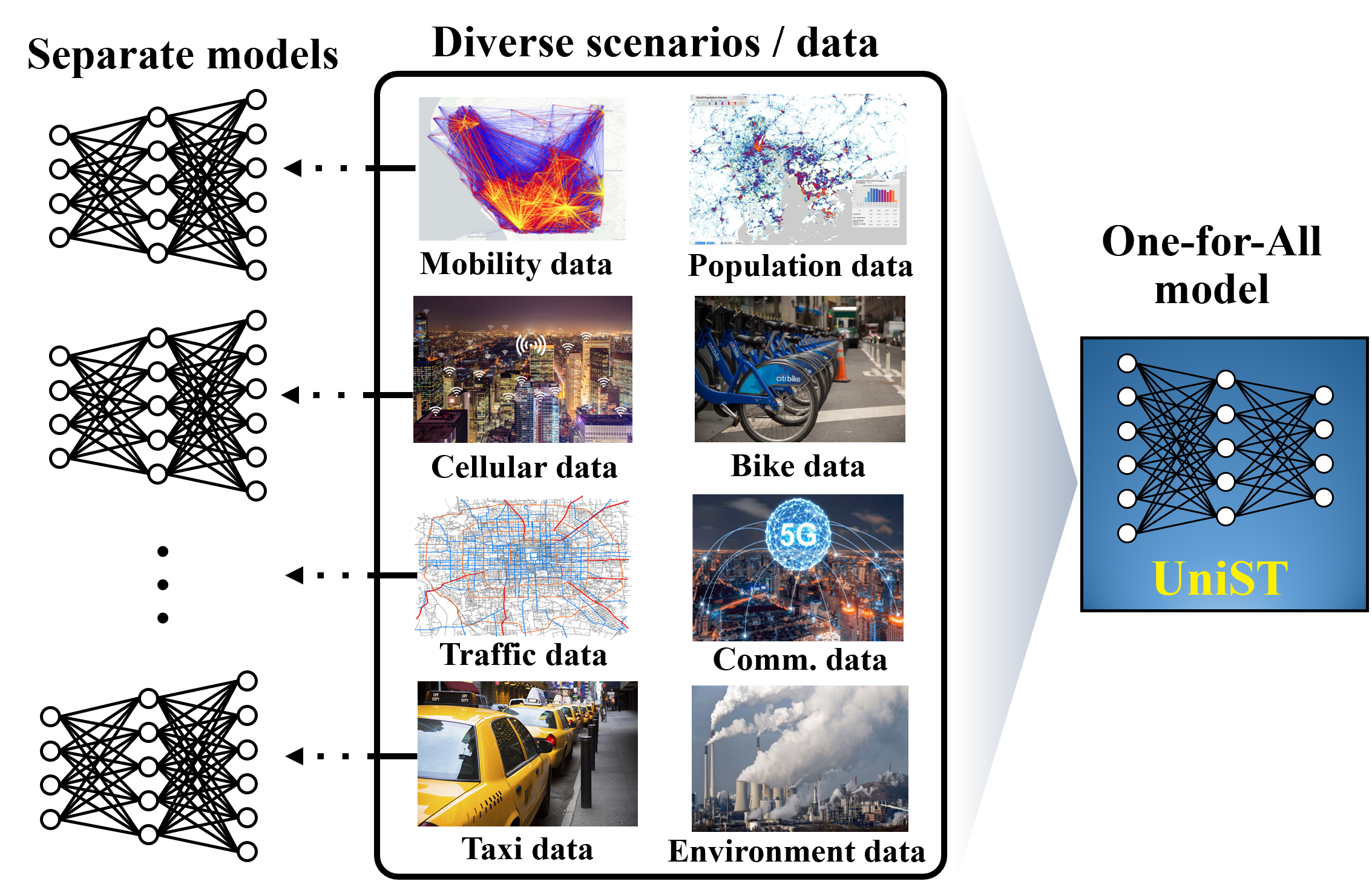
UniST: A Prompt-Empowered Universal Model for Urban Spatio-Temporal PredictionYuan Yuan, Jingtao Ding, Jie Feng, Depeng Jin, Yong Li KDD, 2024 paper / pdf / code / slides / We build a universal model for general spatio-temporal prediction and show the benefits of a one-for-all solution in urban contexts. |
|
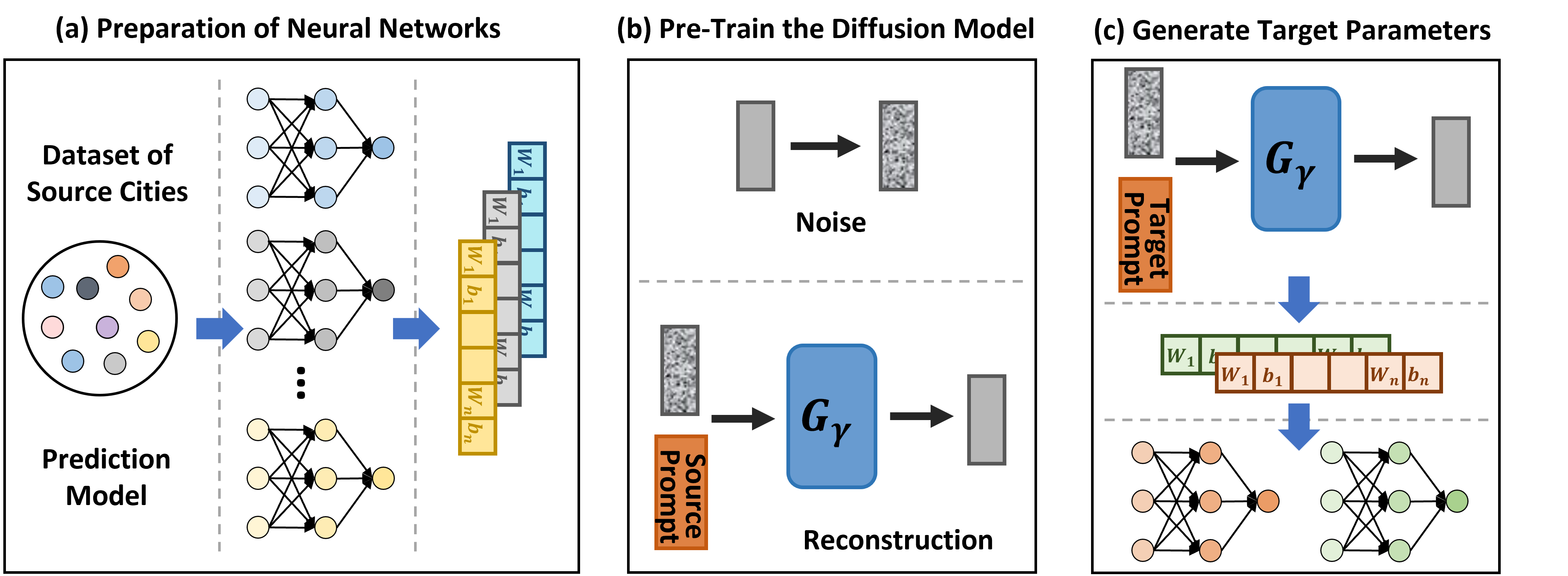
Spatio-Temporal Few-Shot Learning via Diffusive Neural Network GenerationYuan Yuan*, Chenyang Shao*, Jingtao Ding, Depeng Jin, Yong Li ICLR, 2024 paper / pdf / code / This diffusion-based framework performs generative pre-training on a collection of model parameters. By generating customized model parameters, we manage to address spatio-temporal few-shot learning. |

|
Spatio-temporal Diffusion Point ProcessesYuan Yuan, Jingtao Ding, Chenyang Shao, Depeng Jin, Yong Li KDD, 2023 paper / pdf / code / We develop a diffusion model to learn spatio-temporal point processes. |
|
Learning to Simulate Daily Activities via Modeling Dynamic Human NeedsYuan Yuan, Huandong Wang, Jingtao Ding, Depeng Jin, Yong Li The Web Conference, 2023 paper / pdf / code / We introduce the modeling of dynamic human needs into activity simulation. |
|
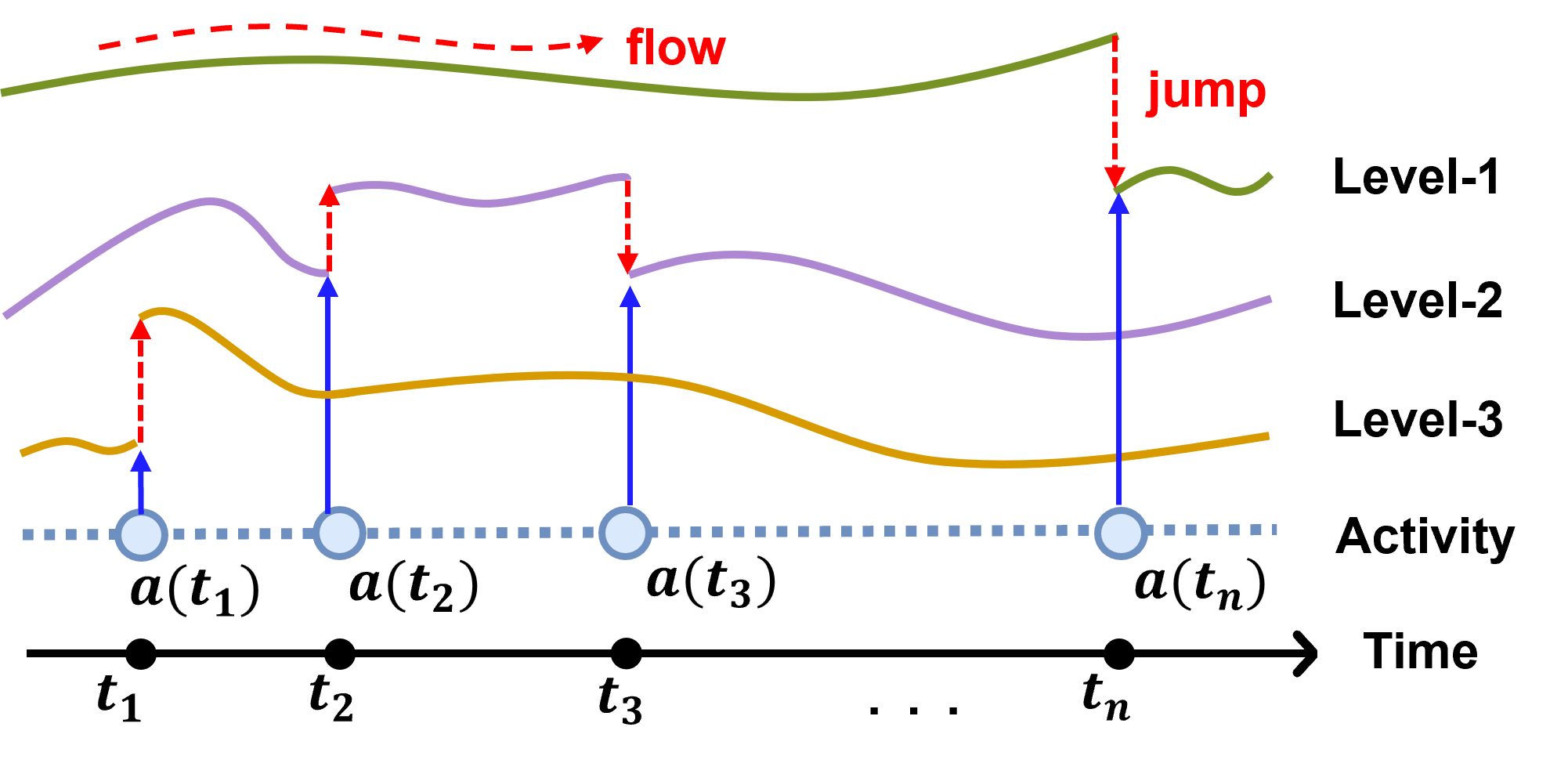
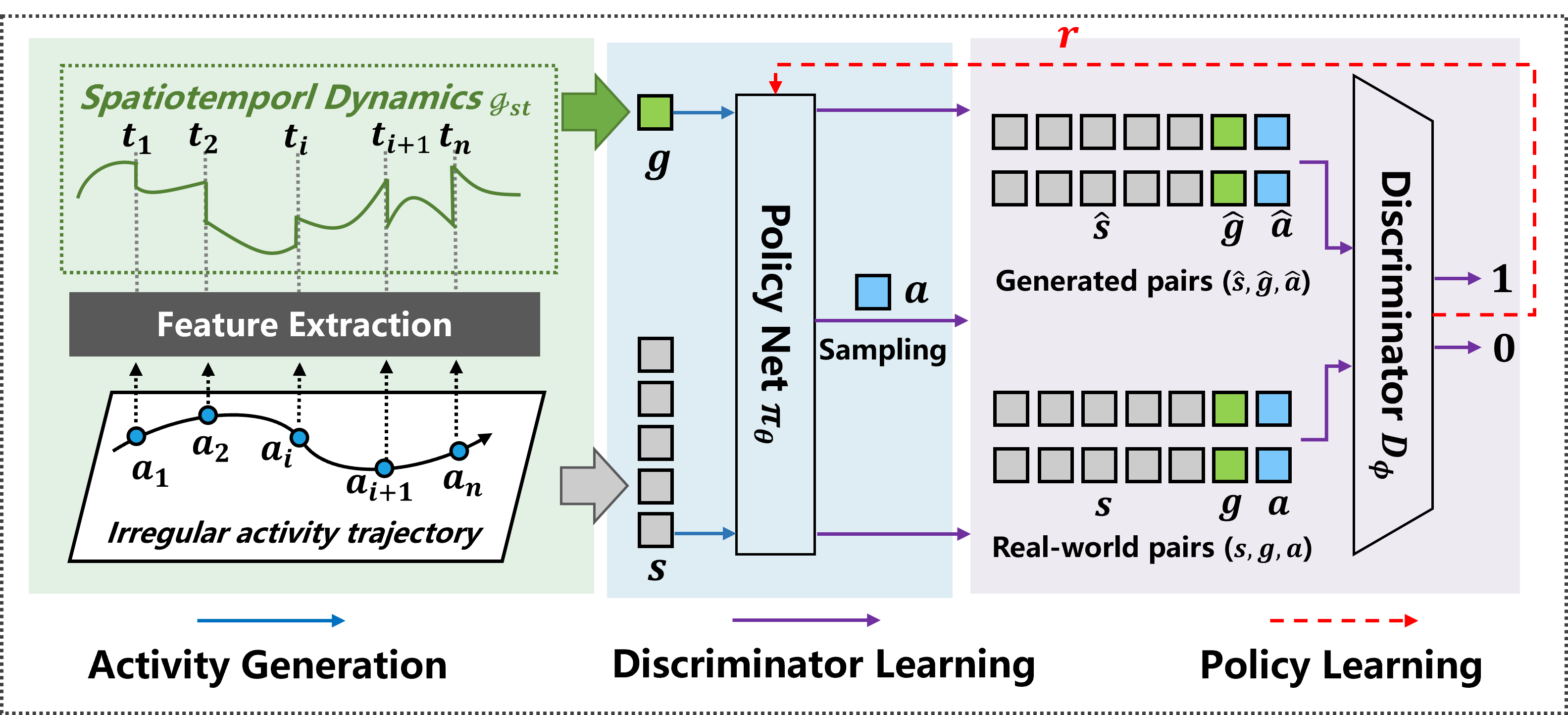
Activity Trajectory Generation via Modeling Spatiotemporal DynamicsYuan Yuan, Jingtao Ding, Huandong Wang, Depeng Jin, Yong Li KDD, 2022 paper / pdf / code / ActSTD captures spatiotemporal dynamics underlying activity trajectories by leveraging neural differential equations. |
|
Design and source code from Jon Barron's website |